J.S Bach Edition Blankenheim /Rosar
- Display 9 Products per page
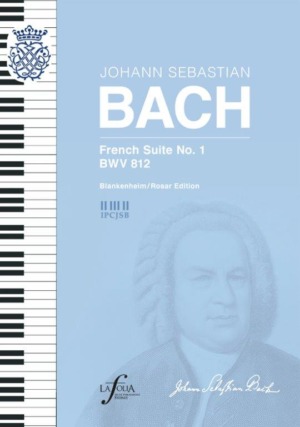
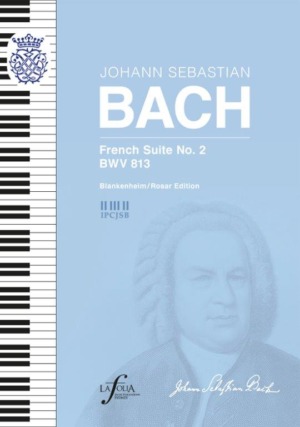
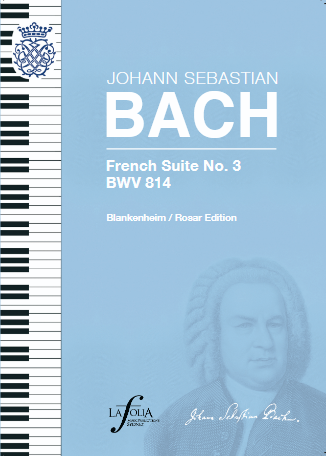
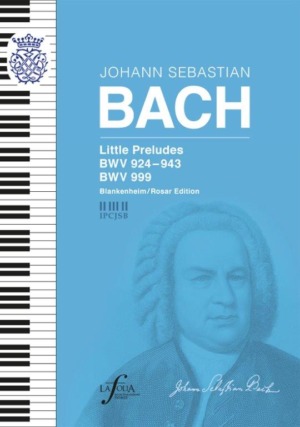
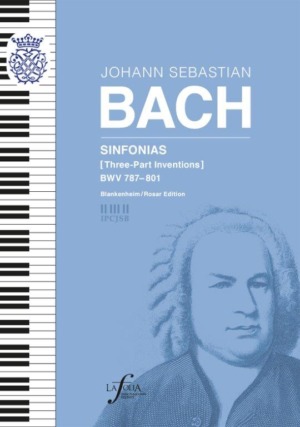
Sheet music J. S. Bach Blankenheim/ Rosar
Edition La Folia, Australia
Since Urtext editions have become readily available, performers can directly engage with Bach’s texts. This edition is intended as a study score and should be used together with one of the many available Urtext editions. The goal is to demonstrate how the neutral text of a Bach work can be processed, and musicological findings and insights gained from historically informed performance, possibilities offered by the modern piano and the musical intentions of the performer can all be incorporated to form a meaningful interpretation. Information on musical parameters is given.
A recording of this interpretation by Inge Rosar on the IPCJSB label is available on all online platforms (Amazon, iTunes, Spotify, etc.) and demonstrates the suggestions offered here in practice. Like the edition, this recording should not be understood as the correct interpretation, but as one of many possibilities.
It is important to clarify that this edition is not the correct interpretation, and suggestions found here regarding the interpretation of structure, dynamic shaping, ornaments and figurations, etc., represent only one of many possibilities of interpreting these works. As the main objective of this edition is to introduce an alternative, the suggestions to interpretation can be used completely, or only to serve as a stimulus to develop individual ideas. As an example of two of the many interpretative possibilities inherent in a Bach work, compare the same work given in two versions.
However, as Walter Blankenheim wrote in his preface to the Bach Days (1997, Saarbücken, Germany): the interpreter must understand what he or she plays, that is, in order to play a work meaningfully, the interpreter first needs to process the almost completely neutral text, identifying the problems and opportunities presented by the work.
The lack of performance instructions by Bach leaves us with a neutral text that can be seen in any Urtext edition. Parameters such as: tempo, phrasing, articulation; as well as opportunities offered by the modern piano, such as: dynamics, expanded keyboard range as well as the use of pedals (sustaining, una corda and sostenuto); have to be considered by the performer. Stylistically informed interpretation of ornaments and additions of figurations in repeats of movements add to the challenges of interpreting these works for non-specialists.
In order to process and maintain an overview of different elements in a work, it is recommended that the musical parameters below are worked through individually. The following is a list of the parameters that are to be found in the score edit them in this order: Tempo, Structure and Phrasing, Note Functions and Articulation, Dynamics and Dynamic Shaping, Ornaments and Figurations The use of Pedals, Fingering and arrangements between hands.
We hope that this edition will take some of the hard work out of the process of learning and practicing these works, and more importantly, bring joy and encourage students to become better acquainted with the music
of J. S. Bach. May it also give young musicians ideas on how to develop their own interpretations through this interaction with Bach’s works on a creative level.
Dr Kirill Monorosi, Australia (La Folia)
Prof. Inge Rosar, Germany